IBSEN Meeting in Chuncheon
- Post published:November 17, 2026
- Post category:2026/IBSEN Meetings
From Global Connections to Local Innovation: IBSEN Explores a New Model of Entrepreneurship Education
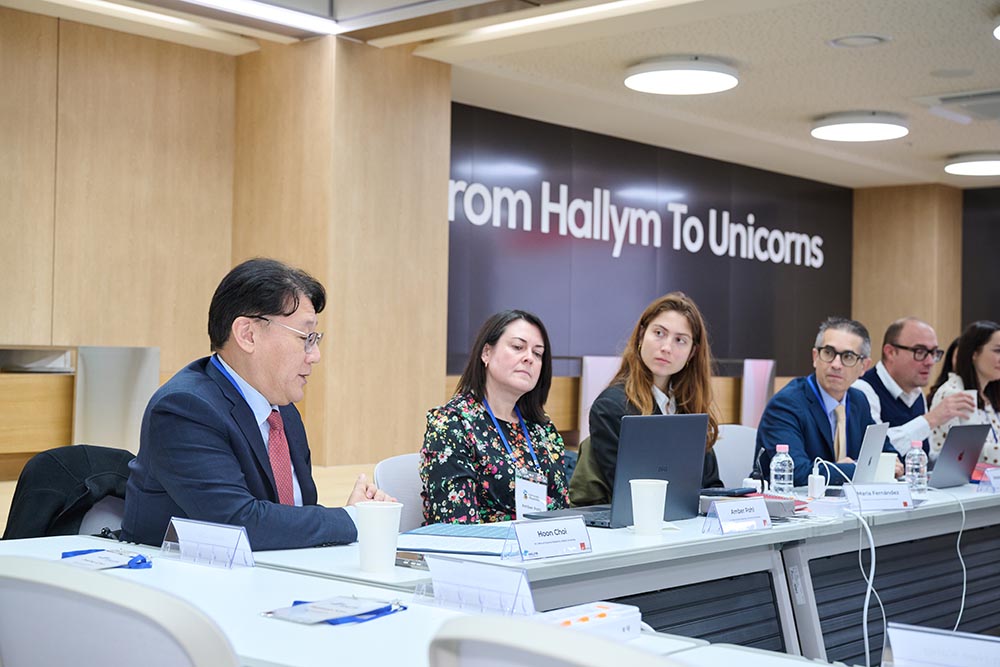
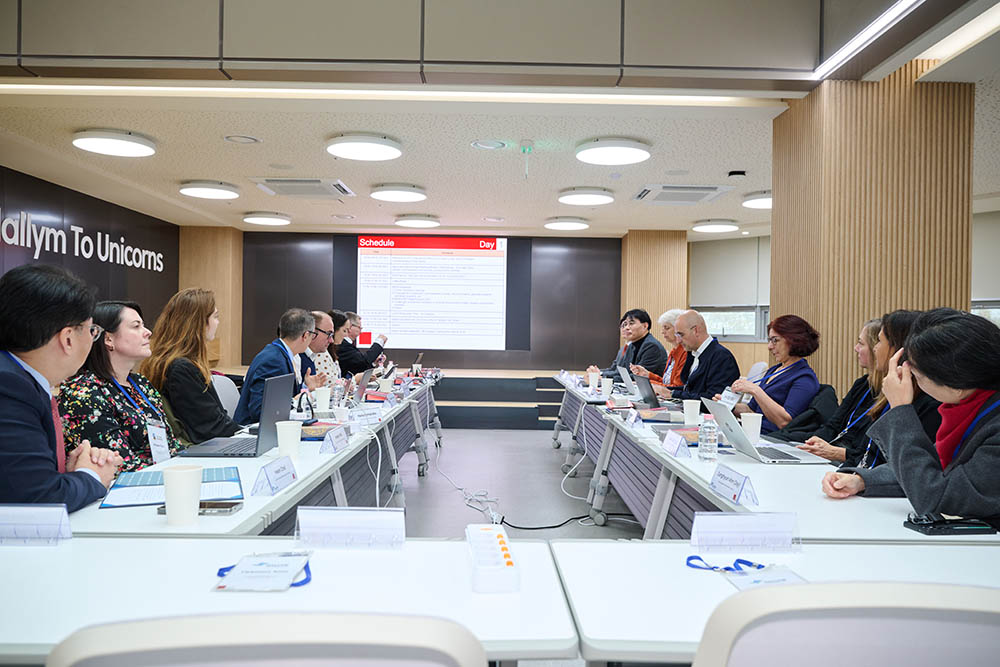
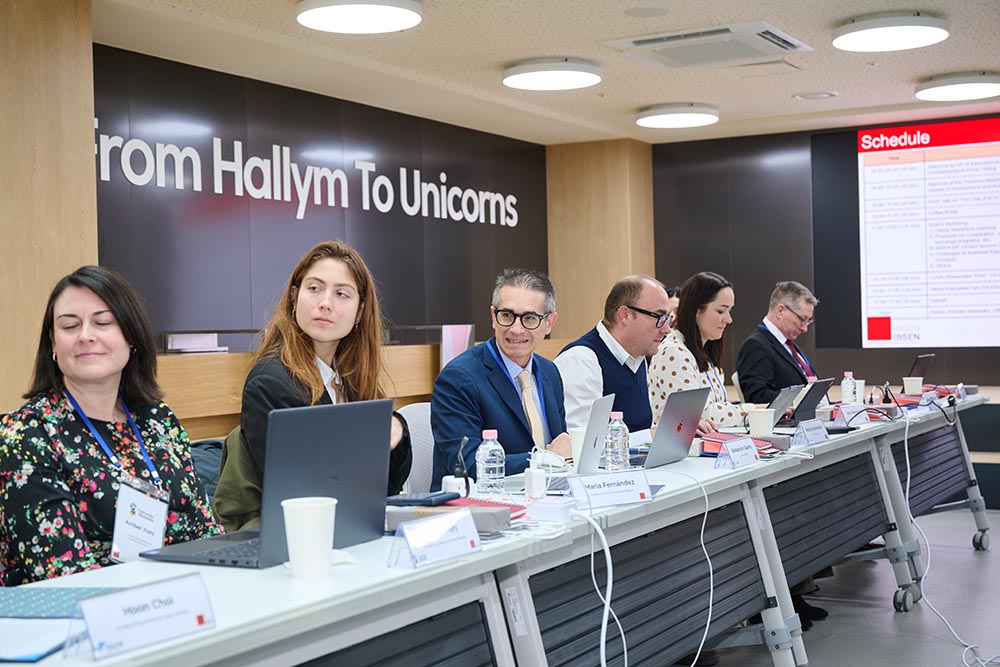
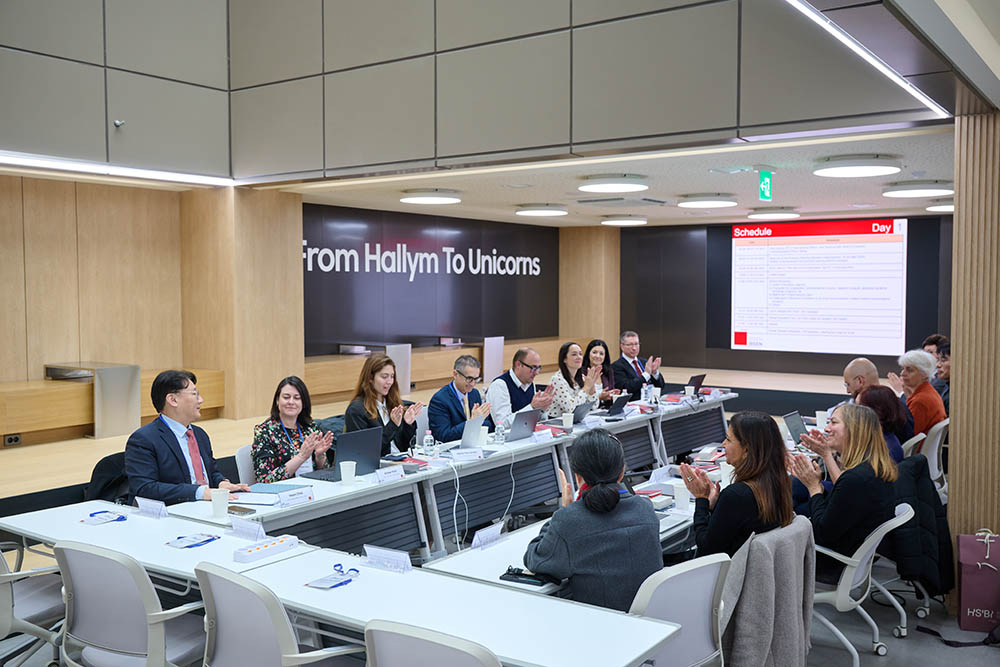
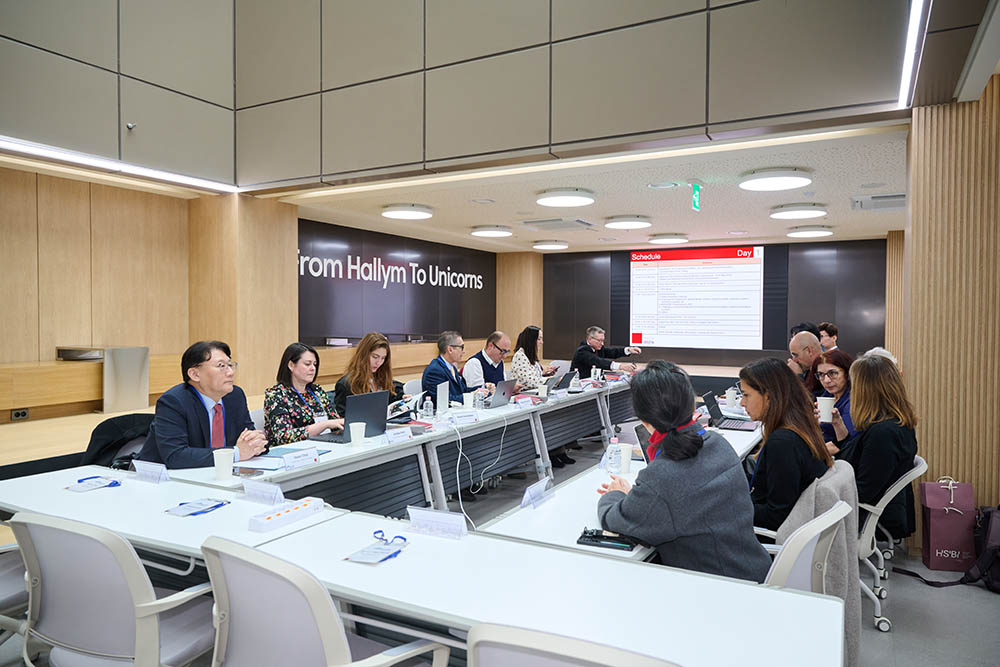
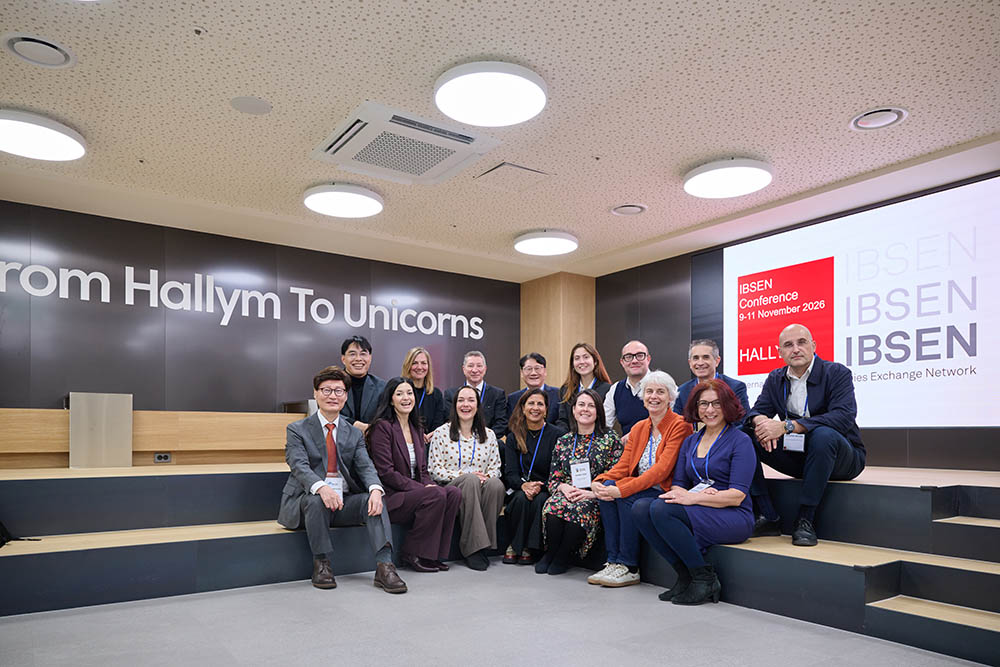
How can an international network of universities move beyond traditional academic exchanges to create meaningful learning opportunities through real-world business challenges? This question lay at the heart of the IBSEN meeting hosted by Hallym University in Chuncheon, South Korea, from 9 to 11 November 2026.
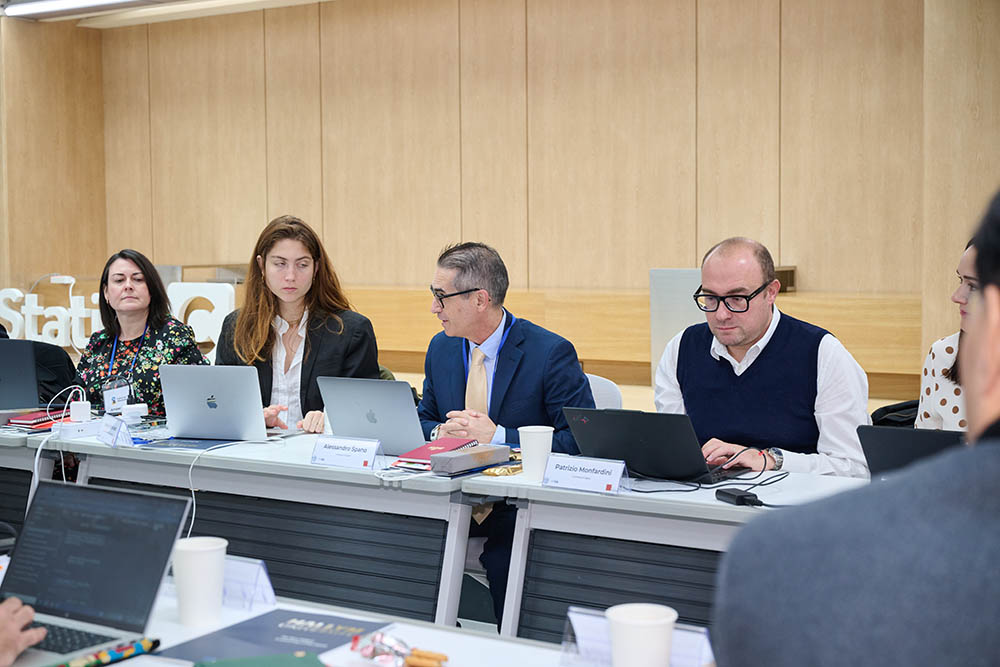
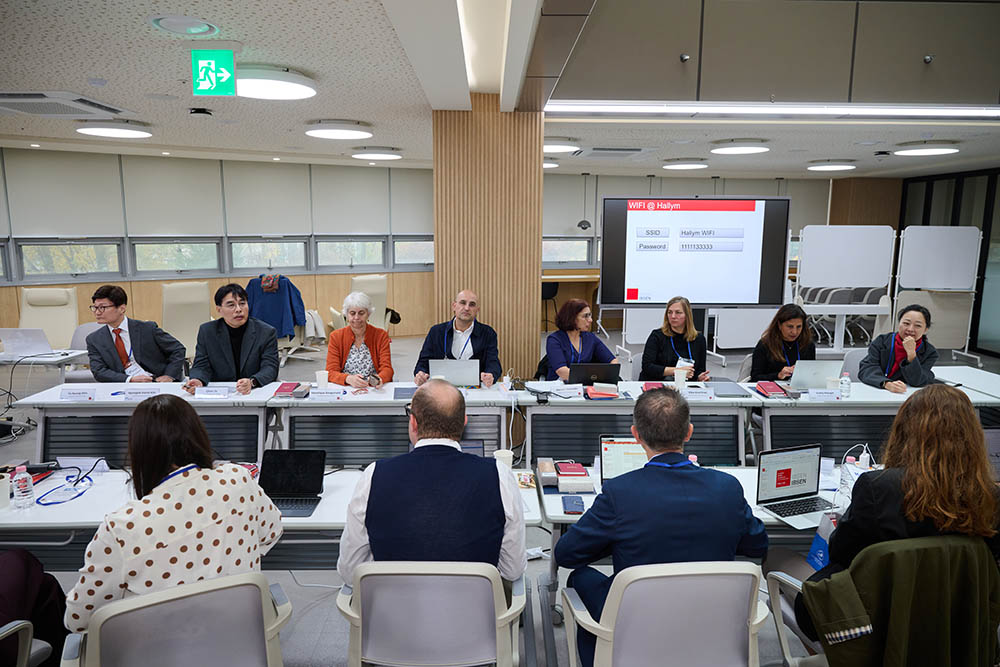
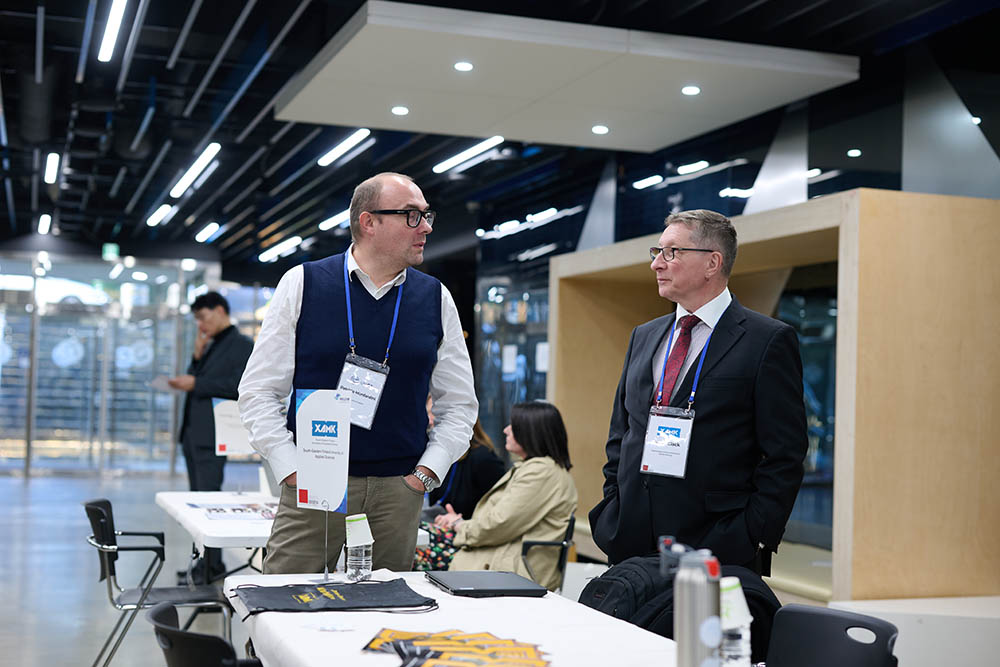
Bringing together representatives from eight IBSEN partner universities and their Korean hosts, the gathering explored how international collaboration could evolve in response to rapid technological change, shifting educational priorities, and the growing importance of entrepreneurship and practice-based learning.
Against the backdrop of Chuncheon’s late-autumn landscape, the meeting provided not only an opportunity to strengthen longstanding institutional relationships but also a platform for envisioning new forms of collaboration connecting universities, students, and businesses across national boundaries.
The first day of formal discussions on November 10th, addressed the challenges and opportunities facing higher education in an increasingly AI-driven world.
A Hallym representative introduced perspectives on the use of AI in education, prompting discussions about how universities might adapt their teaching methods, curricula, and learning environments to technological transformation.
Two Hallym University students also contributed presentations on AI-related topics, bringing valuable student perspectives into the dialogue. Their participation reinforced an important principle: students should be active contributors to educational innovation rather than simply recipients of new technologies and teaching methods.
The discussions extended to online interactive learning, collaborative educational programmes, and emerging approaches to international business education. Together, these exchanges highlighted the need to combine technological innovation with experiential learning, creativity, and entrepreneurial thinking.
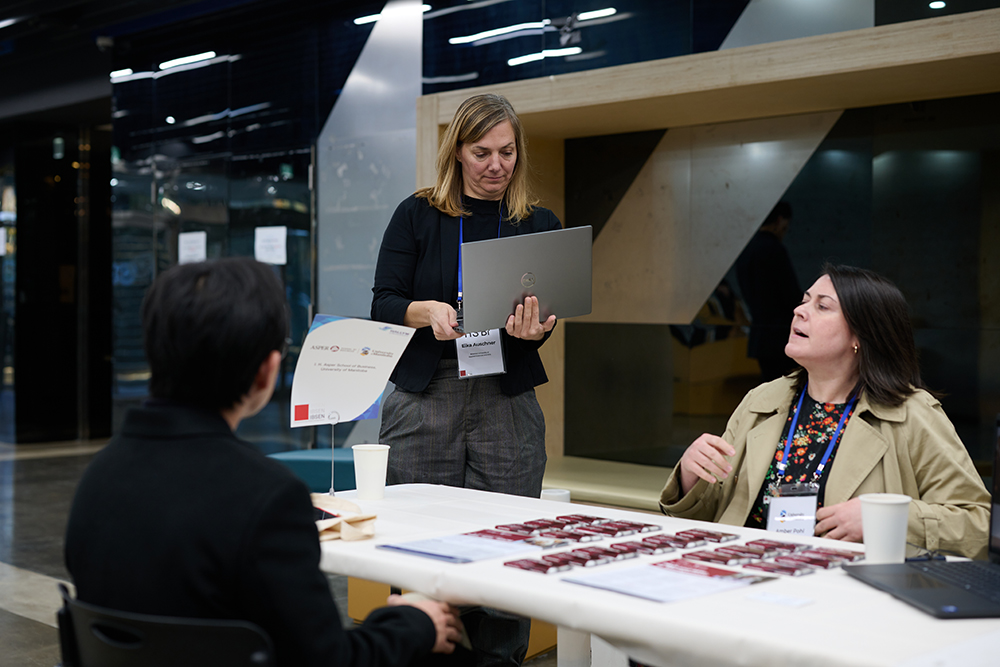
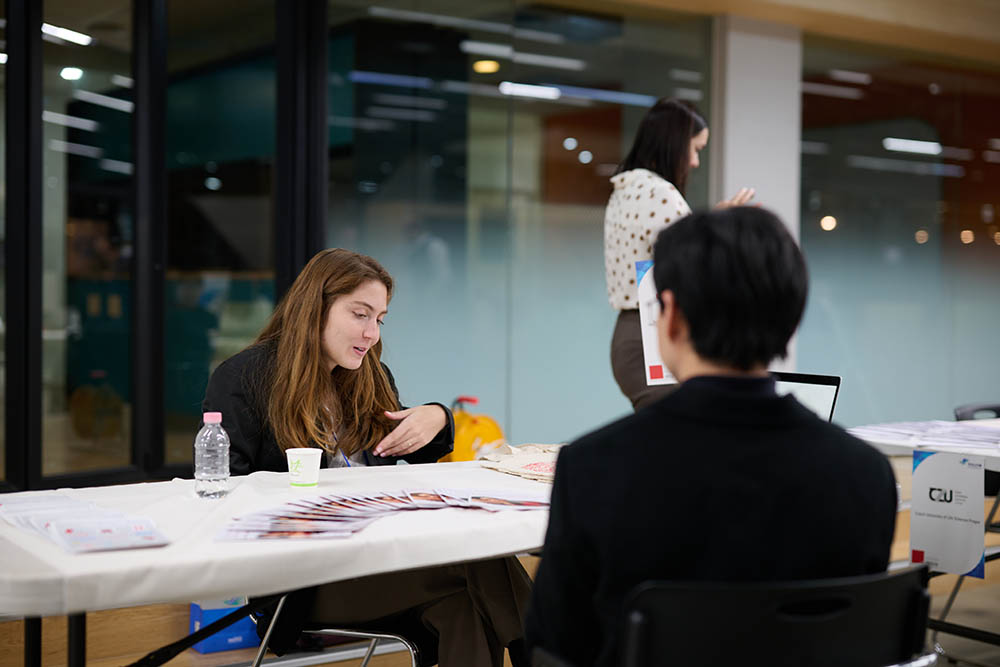
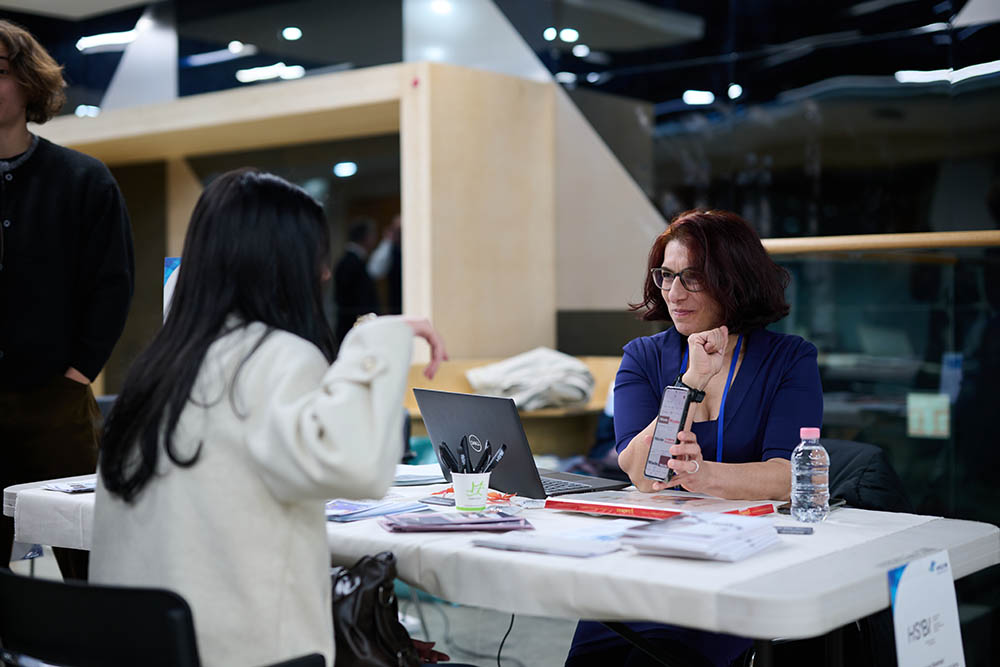
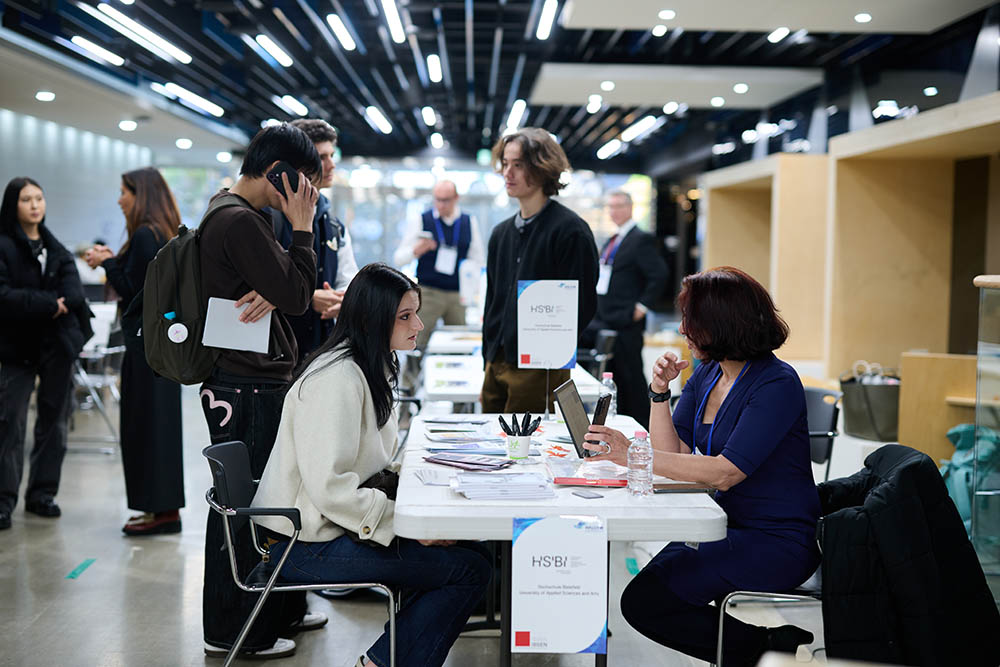
The programme also included a Global Education Fair, where 12 representatives from eight partner universities introduced the study abroad opportunities and offered Hallym students information and consultations on international programmes.
A particularly forward-looking dimension of the meeting emerged on November 11th, when attention turned to Hallym University’s Station C, an entrepreneurship and innovation platform designed to connect local initiatives with wider opportunities.
Introduced by Hallym University under the theme “Start-up Programme: From Local to Global,” Station C provided a focal point for considering how IBSEN could develop more practice-oriented forms of international cooperation.
The underlying vision is both ambitious and practical: to bring together students from IBSEN member universities, academic mentors, and businesses in their respective regions to undertake collaborative projects addressing real entrepreneurial and managerial challenges.
Such projects could involve identifying business opportunities, developing innovative business models, exploring market-entry strategies, or helping local enterprises respond to the challenges of internationalisation and digital transformation.
Rather than treating international experience primarily as physical mobility between institutions, this approach would position students as active participants in cross-border business projects, working with peers from different countries and engaging with enterprises operating in diverse economic and cultural environments.
Hallym University’s Station C could serve as a platform for developing and coordinating this model, while IBSEN’s geographically diverse membership offers the potential to connect participating students with business communities across Europe, North America, and Asia.
The proposed direction reflects a broader ambition to strengthen IBSEN as a network not only for academic exchange but also for collaborative entrepreneurship, applied business education, and university–industry engagement.
Representatives shared developments at their universities, including new educational programmes, international partnerships, joint academic initiatives, and efforts to respond to changing expectations in higher education.
Existing cooperation through double-degree programmes, student mobility, blended intensive programmes, and international teaching activities provides a valuable foundation for the next stage of collaboration.
Among the forthcoming initiatives discussed were the IBSEN Blended Intensive Programme planned for autumn 2027 in Finland, supported by funding secured by XAMK, and the Business Mission during the spring semester of 2027 proposed by UVic.
While these established forms of cooperation remain important, the Chuncheon meeting opened a complementary perspective: international partnerships could increasingly generate shared educational projects with direct relevance to the business world.
By combining the distinctive capabilities of partner universities with the needs and opportunities of their regional economies, IBSEN could create learning experiences that are simultaneously international in scope and locally grounded.
The meeting concluded with discussions on future IBSEN activities, including forthcoming meetings in 2027 and 2028 and opportunities for continued institutional collaboration.
Beyond the formal programme, participants enjoyed opportunities for informal exchanges and Korean hospitality, further strengthening the personal relationships that have long sustained the network.
The Chuncheon gathering offered an opportunity to reflect on what the next generation of international business education might look like.
For IBSEN, the journey from international connections to collaborative innovation may well become an important part of its next chapter.